
- ISBN
- 9798233728624
- Genre
- Algemeen
- Verschenen
- 31-01-2026
- Bindwijze
- Ebook EPUB
- Taal
- Engels
- Uitgever
- ?Avery Arbegast
- Auteur(s)
- Avery Arbegast
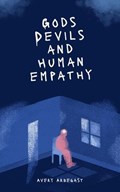
This book explores what happens after fear stops being persuasive.
Through a series of intimate, sensory poems, it traces the impact of a religious upbringing rooted in control, silence, and moral surveillance, then moves into the unfamiliar space that follows leaving it behind. The work is not interested in arguing theology or replacing belief with certainty. Instead, it asks a quieter question: how do you live well when no one is watching and nothing is promised?
The poems examine goodness without reward, care without threat, and empathy that exists without scripture or punishment enforcing it. They move through homes, bodies, and everyday decisions, showing how morality can function without fear, how harm is often learned rather than innate, and how restraint and kindness remain possible even when belief falls away.
This is a book about choosing not to pass damage forward. About building safety deliberately. About the freedom and responsibility that come with deciding to be good simply because other people exist.
Written for readers who have left religion and are still orienting themselves, and for anyone interested in ethics, trauma, and human empathy, this collection offers a grounded, hopeful vision of morality that survives outside doctrine.