
- ISBN
- 9798231372911
- Genre
- Algemeen
- Verschenen
- 01-01-2026
- Bindwijze
- Ebook EPUB
- Taal
- Engels
- Uitgever
- ?Ben Van Kerkwyk
- Auteur(s)
- Ben Van Kerkwyk
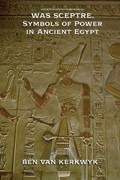
In the art of ancient Egypt, power is not shown as a sword raised in triumph. It is shown as a staff held upright—steady, deliberate, and charged with meaning. The was scepter, carried by gods and pharaohs alike, was more than a ceremonial object. It was a visual declaration that order could be maintained, boundaries could hold, and a fragile world could be governed without collapsing into chaos.
The Was Scepter takes you inside Egypt's symbolic machinery of rule: how authority was made visible, how dominion was framed as responsibility, and how sacred kingship turned power into something legible, repeatable, and enduring. Blending myth, temple culture, and the realities of statecraft along the Nile, this book is for readers who love ancient history, Egyptian religion, and the hidden logic behind iconic images—anyone drawn to the question of how a civilization taught itself what it meant to rule.