
- ISBN
- 9798231986842
- Genre
- Algemeen
- Verschenen
- 07-07-2025
- Bindwijze
- Ebook EPUB
- Taal
- Engels
- Uitgever
- ?Darlene Reynolds
- Auteur(s)
- Darlene Reynolds
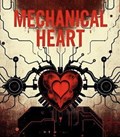
In the future, the development of science and technology has broken through the limits of human beings - humans can replace their hearts with mechanical devices, thus gaining extraordinary physical strength and extended life. Arthur, a young man who needs a heart transplant due to illness, becomes one of the first people to receive a mechanical heart. At first, he is excited about his newfound abilities, enjoying his superior physical strength and longevity. However, as time goes by, he begins to discover that the mechanical heart is not only changing his body, it is also quietly changing his emotions and thoughts.
Arthur gradually felt a sense of indifference and emptiness, as if he was no longer a human being, but an empty shell controlled by a machine. He could no longer experience the passion of love, nor could he feel the intimacy with friends and family. Whenever he tried to recall the good times in the past, his heart would beat violently, as if rejecting these memories, reminding him that he was no longer the same person.
After making ruthless decisions one after another, Arthur finally realized that he was under the control of the mechanical heart. He became more and more dependent on reason and technology, and gradually lost his sense of emotion. He began to look for the reason for losing his humanity at all costs, trying to get rid of the shackles of the heart. In the end, Arthur decided to restore his true humanity at all costs.
This is a philosophical work about human nature, emotion and technology. Through the gradual control of the mechanical heart and the struggle of the soul, Arthur's story explores how modern technology affects the most basic human emotions and thoughts, and whether we can still maintain a true perception of love in the future. In the end, Arthur's death and awakening symbolize the ultimate victory of humanity over the cruel power of technology.
"Mechanical Heart" is a thought-provoking novel that explores the relationship between technology and humanity, reminding us that even in modern society, we cannot ignore the emotions and connections that constitute our true "humanity".