
- ISBN
- 9798233205040
- Genre
- Algemeen
- Verschenen
- 20-01-2026
- Bindwijze
- Ebook EPUB
- Taal
- Engels
- Uitgever
- ?David James
- Auteur(s)
- David James
The Emperor's New Metaphors is a book for readers who have peered through the shimmering veil of poetic pretence and discovered satire smirking beneath the silk. This is a collection that parades its pageantry with nothing on—each poem a cheeky twist on vanity, illusion, and the irresistible human urge to sound profound even when we're secretly dressed in nonsense. These verses strut, preen, and occasionally trip over their own enjambment, daring you to applaud the invisible cloak of metaphor or call it out for what it is: gloriously, intentionally absurd.
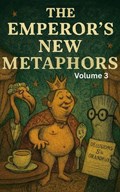
Your journey begins in the Palace of Poetic Delusion, a grand hall lined not with mirrors that reflect the viewer, but with mirrors that reflect their metaphors. A sign above the entrance warns: Welcome to the Palace of Poetic Delusion. All imagery is strictly self-flattering. Inside, the Emperor stands resplendent — draped in verses woven from vanity and stitched with illusion. His robe is a sestina praising his own brilliance; his crown, a haiku that rhymes "power" with "flower." Courtiers swoon at every metaphor he utters, no matter how nonsensical. "I am the sunrise in a spoon," he proclaims, and the crowd collapses in adoration.
But cracks appear. The metaphors shimmer, flicker, and collapse into contradictory similes. A flamingo in a powdered wig leans toward a sock in a monocle and whispers, "He's naked. His metaphors are borrowed." The sock nods gravely, jotting a footnote on a scroll titled Delusions of Grandeur.
Each poem in The Emperor's New Metaphors functions as a mirror—sometimes cracked, sometimes fogged, always revealing more than intended. These verses satirise the pomp of self-importance, the fragility of image, and the theatrical absurdity of poetic posturing. Some poems strut with regal confidence. Others stumble with comic self-awareness. All of them ask the same mischievous question: If your metaphor collapses, what remains of you?
This is not a book of flattery. It is a masquerade ball of meaning, where illusion dances with truth, truth occasionally steps on its own feet, and the reader is invited to laugh at the spectacle without ever leaving the ballroom. The parade has begun, noble reader. The metaphors are gloriously unclothed — and they know it.