
- ISBN
- 9798232312060
- Genre
- Algemeen
- Verschenen
- 01-01-2026
- Bindwijze
- Ebook EPUB
- Taal
- Engels
- Uitgever
- ?Doug Nash
- Auteur(s)
- Doug Nash
What kind of strategist emerges when survival depends not on strength, but on reading the situation before making any move?
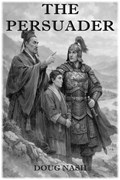
Sun Wu grows up hidden in a forest stronghold during the Warring States period, where Er Shi of Shen trains abandoned children as instruments of precision, not destruction. They master blades and bows, but languages, medicine, and persuasion come first. One lesson repeats until it becomes instinct: the mind cuts deeper than any weapon, and every death represents a failure of better options.
Then fire destroys everything. Sun Wu escapes with orders stripped of sentiment: Survive. Adapt. Use the mind before reaching for the blade.
What follows breaks the mould of military legend. Sun Wu walks from state to state, solving problems rulers cannot name and civilians cannot escape. A merchant faces ruin from a larger trading family's tactics. A town suffers under a warlord's grip. A commander faces overwhelming odds. Egos collide; greed and ignorance take their toll. Each crisis reveals the same forces Sun Wu was trained to recognize terrain, timing, morale, and human pressure points.
The pattern becomes clear. Family arguments follow the same principles as military campaigns. Both sides assess strength, probe weakness, choose ground. Both escalate when pride blocks retreat. Market competition mirrors battlefield maneuver. The laws of conflict don't change because the stakes shrink.
This is Sun Wu before the battlefield made reputation. The great Sun Tzu, with a mind trained for war, tested in everyday conflicts, discovering that strategy isn't a specialized skill for generals but a universal tool for anyone facing opposition, scarcity, or fear.
If warfare's constants govern every dispute and negotiation, what must someone master to navigate daily life? Can a 2,500-year-old military guide help them win? Find out.