
- ISBN
- 8596547880226
- Genre
- Algemeen
- Verschenen
- 10-01-2026
- Bindwijze
- Ebook EPUB
- Taal
- Engels
- Uitgever
- Quickie Classics
- Auteur(s)
- Francis Hodgson Burnett ; William Andrews
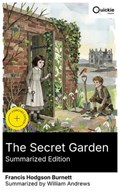
Set on the Yorkshire moor, The Secret Garden traces sour, neglected Mary Lennox—newly orphaned from colonial India—as she finds a locked walled garden and, with Dickon and her ailing cousin Colin, coaxes it and themselves to life. Burnett's lucid, musical prose fuses Gothic house novel and pastoral romance, moving children's fiction from didacticism to psychological attentiveness. Seasonal labor, birdsong, and soil become emblems of renewal, while the book quietly probes class, empire, disability, and the mind–body connection central to Edwardian New Thought. Frances Hodgson Burnett, Manchester-born and later a transatlantic celebrity, brought a gardener's precision and a bereaved mother's longing for consolation to this work. The formal borders of Maytham Hall in Kent shaped its imagery; the death of her son Lionel and her interest in spiritual healing movements inform its conviction that attention, companionship, and outdoor discipline can transform affliction. She refines the theatrical reveals of her earlier successes into an ethic of daily care. Recommended to readers of children's classics, educators, and gardeners alike, The Secret Garden offers enduring insights into resilience, community, and the restorative imagination. Approached as pastoral therapy or as Edwardian social text, it rewards close reading and generous rereading. Quickie Classics summarizes timeless works with precision, preserving the author's voice and keeping the prose clear, fast, and readable—distilled, never diluted. Enriched Edition extras: Introduction · Synopsis · Historical Context · Author Biography · Brief Analysis · 4 Reflection Q&As · Editorial Footnotes.