
- ISBN
- 9798232985653
- Genre
- Algemeen
- Verschenen
- 04-11-2025
- Bindwijze
- Ebook EPUB
- Taal
- Engels
- Uitgever
- ?Sunflower
- Auteur(s)
- GEOFFREY SUTTON
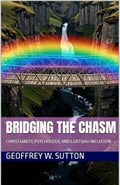
***Bridging the Chasm: Christianity, Psychology, and LGBTQIA+ Inclusion***confronts one of the most pressing and polarizing questions of our time: how can faith communities and psychological science engage one another honestly, critically, and compassionately when it comes to the dignity and inclusion of LGBTQIA+ individuals?
For decades, many Christian traditions and the discipline of psychology have stood on opposite sides of a widening divide. Theologians and pastors have often appealed to Scripture and tradition to defend exclusionary practices, while psychologists have pointed to scientific evidence affirming LGBTQIA+ identities and relationships. The result has been a chasm—one that leaves countless individuals caught in the middle, struggling to reconcile their faith, their identity, and their mental health.
This book does not offer a simple bridge across that divide. Instead, it equips readers to map the terrain, understand the fault lines, and engage the conversation with intellectual humility and moral courage. Drawing on biblical studies, theology, and psychology, Bridging the Chasm provides a comprehensive, interdisciplinary framework for students, clergy, clinicians, and lay readers who want to move beyond slogans and stereotypes toward deeper understanding.
Unlike memoir-driven works or narrowly theological arguments, this book is comparative and analytical. It places conservative, progressive, and scientific perspectives side by side, showing not only what each position claims but also why sincere people arrive at such different conclusions. Readers will encounter close readings of both Old and New Testament texts, explorations of gender diversity in Scripture, and theological debates over love, justice, and holiness. At the same time, they will be introduced to psychological studies which illuminate how identity, worldview, and moral reasoning shape interpretation and ethical decision-making.
Study groups will find accessible explanations of contested terms, side-by-side comparisons of biblical interpretations, and a discussion guide that invite reflection on real-world dilemmas. Professors will appreciate the book's modular structure, which makes it adaptable for courses in psychology of religion, pastoral counseling, Christian ethics, gender studies, or sociology of religion. Its interdisciplinary scope ensures that students are not only exposed to theological debates but also trained to think critically about the psychological and cultural forces that shape them.
The conclusion does not pretend that reconciliation between Christianity and psychology is inevitable. Instead, it argues for the more realistic path of accommodation: finding ways for evidence-based practice and faith commitments to coexist without erasing their differences. This nuanced approach makes the book especially valuable for future clinicians, clergy, and educators who will encounter these tensions in their professional lives.
Ultimately, Bridging the Chasm is a call to courageous compassion. It challenges exclusionary theology, affirms the dignity of LGBTQIA+ persons, and insists that dialogue across worldviews is both possible and necessary. Whether read in a classroom, a church study group, or a professional seminar, it invites readers to wrestle with complexity rather than retreat into certainty, and to imagine a future where faith and science, even if not fully reconciled, can at least work together for the flourishing of all people.