
- ISBN
- 9781394407880
- Genre
- Algemeen
- Verschenen
- 13-02-2026
- Bindwijze
- Ebook EPUB
- Taal
- Engels
- Uitgever
- Wiley
- Auteur(s)
- Ryane E. Englar ; Teresa Graham Brett
Empowers veterinary educators to design from scratch, modify, or adopt the authors’ own comprehensive, simulation-based communication curriculum, combining andragogical principles, evidence-based practice, and practical tools to enhance the delivery of relationship-centered care.
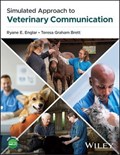
Simulated Approach to Veterinary Communication tracks the evolution of communication training and relational practice in healthcare. Readers are introduced to foundational communication theories and models, as well as the growing evidence that effective communication enhances healthcare delivery and patient outcomes through improved information exchange and stronger veterinary client-healthcare provider relationships. The book translates theory into practical application exercises, offering 30 simulated client encounters for veterinary curricula. This debut of an entire curriculum provides educators with a complete, evidence-based framework for integrating communication training across all species and practice settings.
This one-of-a-kind resource offers practical implementation that is unparalleled. The book presents fifteen chapters covering communication theory, models, and client communication preferences as well as strategies for simulation design. A companion website delivers all components of all 30 simulations, including preparatory materials, simulation scripts, door charts, rubrics, and post-encounter reflection prompts. In addition, the companion website offers over 150 ready-to-implement clinical case vignettes for in-class use. The modular design allows the content to be adapted to a wide variety of needs:
Designed for anyone involved in teaching or learning communication skills in veterinary medicine, including veterinary faculty, veterinary technician educators, curriculum developers, clinical and professional skills course coordinators, and veterinary and veterinary technician students, Simulated Approach to Veterinary Communication provides the blueprint for communication curricular design. This text allows for rapid implementation of effective, reproducible training for the interpersonal demands of modern veterinary practice