
- ISBN
- 9798233186387
- Genre
- Algemeen
- Verschenen
- 26-01-2026
- Bindwijze
- Ebook EPUB
- Taal
- Engels
- Uitgever
- ?Talia Bhatt
- Auteur(s)
- Talia Bhatt
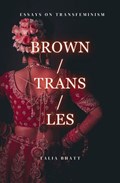
How does one articulate a cohesive feminism when feminists themselves insist on decentering women?
In Trans/Rad/Fem, radical transfeminist Talia Bhatt attempted to provide a thorough, materialist framework for understanding the oppression of trans women particularly and all queer people generally as an indelible component of patriarchal misogyny. A key facet of that oppression is epistemicide, the totalizing erasure of knowledge, language, and history in order to prevent the marginalized from so much as being able to conceptualize, let alone articulate, the terms of their oppression.
Transmisogyny is far from the only force that is animated by epistemic injustice, however. Few cultures illustrate the truth of that assertion better than the land of Bhatt's birth, a nation dogged by internal contradictions and fractious violence along the lines of caste, class, religion, nationality, and more, before even considering the matter of sex.
In this text, Bhatt attempts to reckon with the questions that many feminists, of all identities and backgrounds, have long struggled to grapple with: Can feminism advocate for the plight of women without inevitable reinforcing the very category it seeks to interrogate? In a global hegemony with so many intersecting axes of dehumanization and marginalization, is feminism capable of advocating for the most vulnerable among us without rendering itself reactionary and absolute? Without holding the experiences of the most privileged above those of the least?
The answer, she hopes, is "yes".