
- ISBN
- 9798233155604
- Genre
- Algemeen
- Verschenen
- 19-01-2026
- Bindwijze
- Ebook EPUB
- Taal
- Engels
- Uitgever
- ?V. R. Caldwell
- Auteur(s)
- V. R. Caldwell
The system isn't broken. It was built this way.
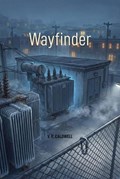
Riverside is freezing. Twelve degrees and dropping. The city's aging power grid is screaming under the load, transformers popping like firecrackers across the neighborhood. Cascade Energy isn't coming to fix it—they've done the math, and this zip code doesn't add up.
Elias Chen knows exactly why the grid is failing. He can see the cascade patterns in his sleep, trace the load imbalances like fault lines through the city's infrastructure. Three years ago, he would have cared. Three years ago, he believed that knowing how to fix things meant someone would let you fix them.
That was before the movement collapsed. Before his fellow organizers traded protest signs for LinkedIn profiles. Before he learned that caring is just a setup for humiliation.
Now he's a ghost. A freelance QA tester who hasn't left his apartment in days, watching disaster clips on his phone while the radiator fights a losing battle against November. Detachment isn't just a coping mechanism—it's a survival strategy. The kingdom of the shrug.
But when Maya Okonkwo's name lights up his phone for the first time in two years, the past comes flooding back. Maya doesn't plead. She doesn't inspire. She just shows him photos of what failed—specific equipment, wrong routing, the city engineer's report covered in her annotations—and asks a question that cuts right through his defenses:
"You're good at being right after things fail. I'm asking if you want to be right before."
At an aging substation on the edge of the blackout zone, Elias finds himself surrounded by people who have no business saving a neighborhood: Vern, a retired lineman whose knowledge is thirty years out of date but whose hands still remember the work. Jordan, a young volunteer who's in over their head but refuses to quit. And Maya, who keeps the fragile coalition together through sheer force of will while utility lawyers circle overhead.
Their plan is impossible. A manual, unauthorized hack of the municipal grid to route power around the failures before the next cold snap kills someone. It requires access they don't have, skills they're still learning, and a willingness to be blamed if everything goes wrong.
But the technical problem is only the beginning.
As Elias is drawn deeper into the project—first as a consultant, then as the only person who actually understands the system—he discovers something that terrifies him more than failure: he's becoming essential. The knowledge exists only in his head and half-finished documentation. If he walks away, he's not just abandoning the project. He's abandoning the people who trusted him with it.
And then the real threat emerges. David Mora, a corporate fixer with a philanthropist's smile, arrives with an offer that sounds like salvation: funding, resources, legitimacy. All Riverside has to do is let Cascade Energy take credit for the solution—and control of the infrastructure they neglected in the first place.
It's the same trap Elias has seen before. The same pattern that destroyed everything he believed in. Co-option disguised as partnership. Survival repackaged as product.
To save his community, Elias must confront the ghost that's haunted him for three years—the belief that commitment is weakness, that caring makes you a target. He must learn to trust people who might fail him, to act without certainty, and to accept that being needed isn't the same as being trapped.
He must stop being a single point of failure.
WAYFINDER is a techno-social thriller about infrastructure and intimacy, about the systems that keep us alive and the people who maintain them in the dark. It's a story for anyone who's ever felt the weight of knowing how things work—and the terror of being asked to fix them.